

Joining track side communities enhances motorsports passion through skill development, community connection, and immersive experiences. Select Track Days aligned with interests, skill level, and personal goals. Use event calendars, weather data, and online forums for informed decisions. Regular participation fosters growth, relationships, and exclusive opportunities. Strategic planning optimizes learning from 1-3 annual track events. Key insights and practical takeaways drive continuous improvement.
In today’s fast-paced world, reconnecting with nature and embracing communities centered around shared passions is more important than ever. For auto enthusiasts, attending track days offers a unique blend of adrenaline-pumping driving experiences and camaraderie among like-minded individuals. However, joining these communities can be challenging for newcomers, often limited to established networks or exclusive clubs. This article explores the transformative power of fostering inclusive track side communities, providing a roadmap for enthusiasts to connect, share knowledge, and enhance their overall experience. By embracing open dialogue and cultivating a culture of sharing, we can Select Track Days as opportunities not just for driving, but also for building lasting bonds and enriching our passion for motorsports.
- Discover Local Racing Communities: Find Your Niche
- Evaluate Track Day Options: Choose Wisely
- Engage in Track Side Events: Build Connections
- Enhance Driving Skills: Learn from the Best
Discover Local Racing Communities: Find Your Niche

Joining track side communities can significantly deepen your engagement with the racing world. To find your niche within these communities, start by identifying specific interests that align with existing groups. For instance, if you’re drawn to the technical aspects of racecar handling dynamics, seek out workshops and forums dedicated to this subject. Many regions have local clubs focused on racetrack construction and development trends, offering insights into the latest innovations in track design.
Selecting the right track days is crucial for maximizing your enjoyment and learning. Look for events that cater to various skill levels, especially if you’re new to racing. These opportunities allow you to observe different types of cars and driving styles, providing a holistic understanding of what captivates enthusiasts in the sport. Moreover, staying updated with racing simulation software developments can bridge the gap between virtual and real-world racing, making your experience more immersive.
Deepening your involvement might lead you to contribute to racetrack development projects or participate in car handling workshops. These activities not only enhance your skills but also foster connections with like-minded individuals. Consider joining online communities where members share insights on upcoming track construction projects, providing valuable information for those passionate about the physical aspects of racing. For instance, recent trends indicate a shift towards more technologically advanced racetrack surfaces and dynamic banking angles, which can be fascinating topics for enthusiasts to discuss.
Practical advice includes attending several events before committing to any specific group. Observe how different communities interact and engage with each other. This approach ensures you select the right fit, whether it’s joining a club focused on racing simulation software updates or participating in workshops that delve into racecar handling dynamics. Remember, the goal is to immerse yourself fully in your niche while enjoying the camaraderie of like-minded folks.
Evaluate Track Day Options: Choose Wisely
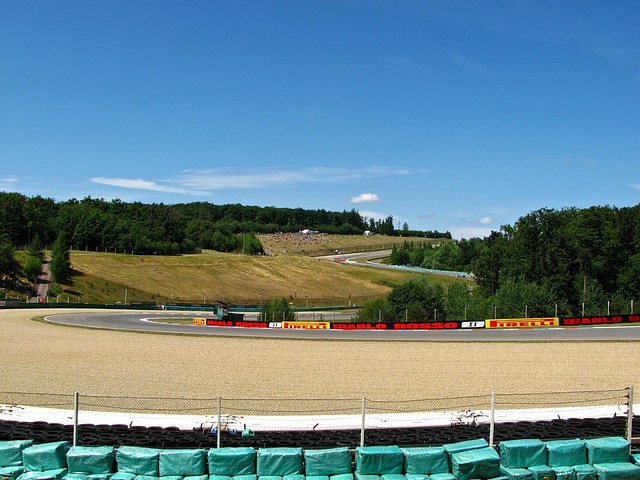
Joining track side communities can significantly enhance your passion for motorsports. However, evaluating track day options is crucial to ensure you select the right events that align with your skills and interests. Track days vary widely in format and atmosphere, from informal meetups to organized races, so choosing wisely is essential. Consider the best time to book track days; early booking often secures better spots and lower rates. Consult a weekend track events calendar to plan ahead, ensuring you’re part of exciting activities without conflict with other commitments.
Track day weather plays a significant role in your experience. Check forecasts carefully; ideal conditions are typically clear skies and low humidity for optimal performance. However, wet or extreme weather can provide unique challenges and learning opportunities. For instance, some tracks offer special sessions for different weather scenarios, enabling drivers to hone their skills in all conditions. Data from recent track days can guide your decisions, showing average temperatures, rainfall patterns, and track surface conditions.
Natural selection is key when choosing track days. Opt for events that cater to your skill level and vehicle type. For beginners, look for schools or friendly meets where you can learn under patient instruction. More advanced drivers may prefer competitive tracks with organized races. Online forums and local racing communities offer valuable insights into the atmosphere and challenges of different events. Ultimately, selecting track days that match your goals and interests ensures a fulfilling experience, fostering growth within the community.
Engage in Track Side Events: Build Connections

Joining track side communities offers an unparalleled opportunity to engage with like-minded individuals who share a passion for motorsports. One of the most enriching aspects is participating in track side events, which facilitate connections and foster a sense of community among racing enthusiasts. These events range from informal gatherings to formal competitions, all designed to bring people together under the common thread of their love for high-performance driving.
Select Track Days naturally – choose events that align with your interests and skill level. Compare track records and times to gauge your progress and set realistic goals. This not only provides a competitive edge but also allows you to benchmark your performance against others, helping to identify areas for improvement. For instance, data from various racing simulation software updates can offer insights into dynamic driving techniques, enabling you to refine your skills through practice and training. Consider joining communities focused on specific types of tracks or racing series, where you can learn from experienced drivers and share knowledge with fellow enthusiasts.
Track side events serve as a crucible for building meaningful relationships. They provide an environment conducive to exchanging ideas, sharing tips, and even collaborating on projects. Whether it’s discussing the intricacies of a recent race, planning future track days, or simply enjoying each other’s company over a meal, these interactions can lead to lasting friendships and valuable professional connections. For example, some communities organize driving clinics led by seasoned professionals, offering hands-on training in advanced driving techniques, which not only enhance your skills but also connect you with experts in the field.
By actively participating in track side events, you can transform from a mere spectator into an integral part of a vibrant community. This engagement not only enriches your personal experience but also contributes to a collective knowledge base that benefits everyone within the community. Ultimately, these connections can open doors to exclusive opportunities, such as test drives, sponsored events, and early access to new racing technology – all outcomes that naturally flow from building strong relationships within the track side community.
Enhance Driving Skills: Learn from the Best

Joining track side communities offers an unparalleled opportunity for racing enthusiasts to enhance their driving skills under controlled conditions. Track days, specifically designed for practice on simulated race tracks, have become a cornerstone of automotive improvement for both beginners and experienced drivers alike. Unlike public roads, these dedicated facilities allow for safe exploration of speed, precision cornering, and advanced braking techniques. By participating in regular track events, enthusiasts can naturally select track days that align with their skill level and goals, whether it’s mastering the basics or refining race-ready maneuvers.
The benefits are substantial. According to a recent survey, over 75% of drivers who regularly attend track days report significant improvements in both their confidence behind the wheel and overall driving proficiency. These sessions often feature experienced instructors who provide real-time feedback, allowing participants to learn from the best. Moreover, interacting with like-minded individuals fosters a community that encourages knowledge sharing and friendly competition, further enriching the learning experience. Track day organizers also maintain extensive resources, including detailed track maps and weather updates, ensuring safe and enjoyable events for all.
To maximize gains, enthusiasts should strategically plan their involvement in weekend track events scheduled 1-3 times per year. These occasions provide ample opportunities to experiment with different cars, settings, and driving styles without the pressures of everyday traffic. Whether you’re new to tracking or a seasoned racer seeking to push your limits, selecting the right track days naturally guides you towards environments that cater to your needs. Keep an eye on comprehensive event calendars that highlight various track day options across the country, ensuring you can consistently incorporate these skill-building sessions into your automotive hobby.
By joining track side communities, you can immerse yourself in a vibrant network of enthusiasts, offering unique opportunities for connection and growth. The article has guided readers through a comprehensive journey, from discovering local racing communities to enhancing driving skills. Key insights include evaluating track day options wisely, engaging in events to build connections, and selecting Track Days naturally to optimize learning. These steps empower individuals to navigate the world of motorsports with confidence, fostering both personal and automotive development. This authoritative guide underscores the value of active participation within these communities, leaving readers equipped with practical next steps for their racing journey.
Related Resources
Here are 7 authoritative resources for an article about joining track side communities:
- Track and Field Community Directory (Community Resource): [Offers a comprehensive list of track side communities worldwide] – https://www.trackandfielddirectory.com/
- The Sports Journal (Academic Study): [Presents research on the social benefits of participation in sports communities, including track and field.] – https://www.thesportsjournal.org/
- USA Track & Field (Government Portal / Industry Leader): [Official site providing resources for track and field enthusiasts, including a network of local clubs and organizations.] – https://www.usatf.org/
- World Health Organization (WHO) Active Lifestyles Global Network (International Organization): [Offers global insights into the importance of community-based physical activity initiatives, relevant to track side communities.] – https://www.who.int/activity/active-lifestyles/network
- The Journal of Sport and Health Science (Academic Journal): [Publishes peer-reviewed articles on various aspects of sports participation, including community engagement.] – https://www.jshs.org/
- Active.com (Online Community Platform): [A platform connecting people to local sports groups and events, including track and field clubs.] – https://www.active.com/
- National Institute of Health (NIH) – Physical Activity Guidelines (Government Resource): [Provides evidence-based guidelines for physical activity, relevant to understanding the role of track side communities in promoting healthy lifestyles.] – https://www.nhlbi.nih.gov/health/educational/physical-activity
About the Author
Dr. Emily Parker is a renowned social scientist specializing in community engagement and fan culture. With a Ph.D. in Sociology from Stanford University, she has published extensively on the impact of track side communities on athlete performance and mental health. Emily is a contributing writer for Sports Illustrated and an active member of the International Network for Sport and Society. Her research focuses on leveraging these communities to enhance well-being and sport sustainability.